How to Stop Mindless Snacking: 3 Simple Tips from a Dietitian
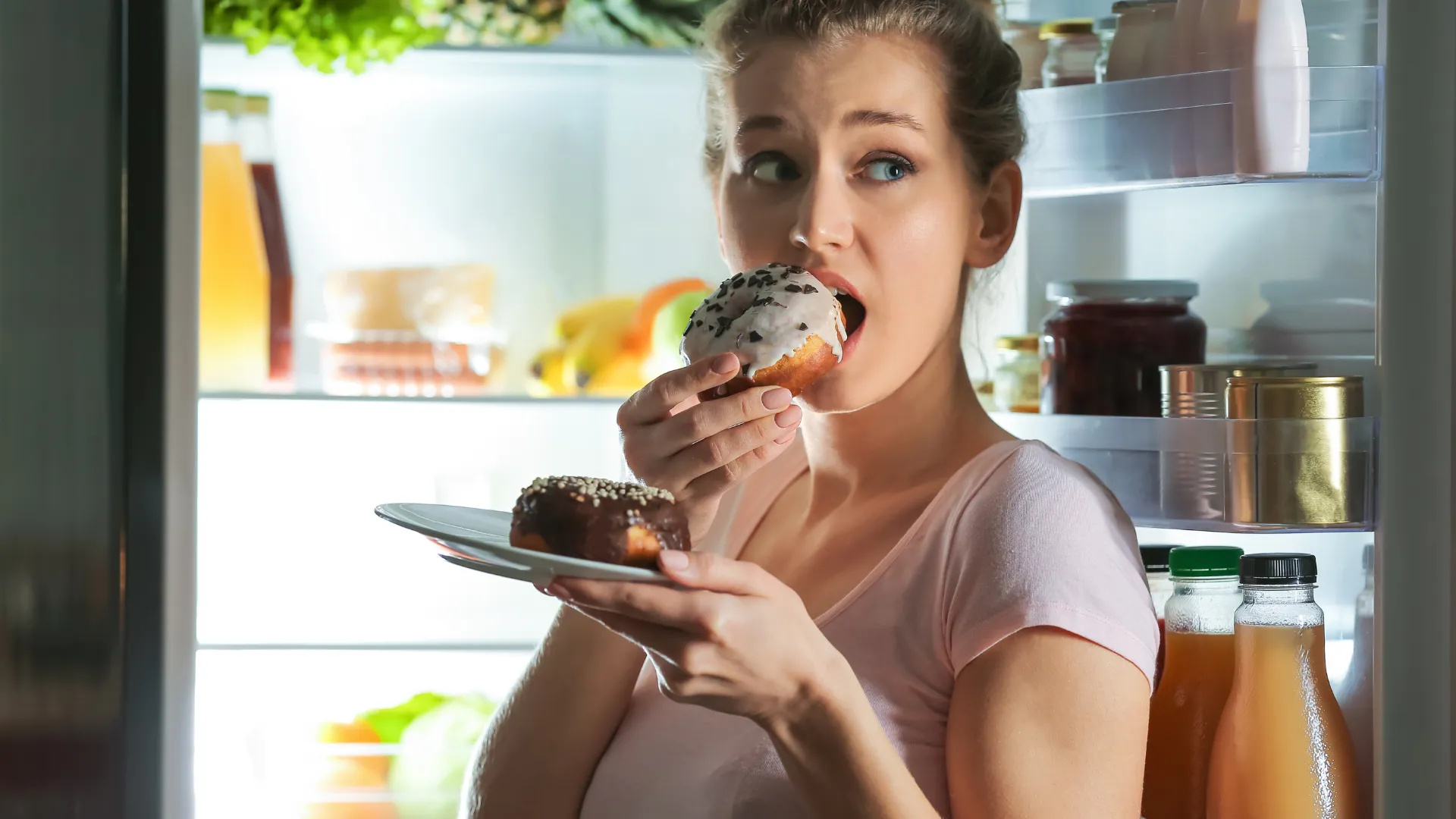
It's three o'clock, your head is foggy, maybe you're a little stressed or bored, and suddenly you're standing by the cupboard with a cookie in hand, a few salted almonds in your mouth, or "just a small piece" of chocolate, even though you're not actually hungry. This is almost never about poor self-discipline. More often it's about how you've eaten during the day and what's around you at home or at work.
As a dietitian, I meet many people who recognize this pattern and feel needlessly ashamed. Instead of beating yourself up, I want to give you three simple, evidence-based strategies to break the snacking cycle, with concrete examples you can start using today.
1. Distinguish Physical Hunger from Cravings
We often confuse physical hunger with emotional cravings or boredom. Physical hunger builds gradually and can be satisfied with a regular meal (like chicken and potatoes). Cravings, on the other hand, hit suddenly and usually demand specific foods (chocolate, chips, candy).
Before you reach for something to eat, pause and ask yourself: Am I Hungry, Angry, Lonely, or Tired? If the answer isn't hunger, food won't solve the problem.
- Physical hunger builds slowly, but cravings strike fast
- If you're tired (which often triggers sugar cravings for quick energy), try a 5-minute walk or a glass of water instead of reaching for a cookie
2. Secure Satiety with Protein and Fiber
One of the most common causes of snacking is eating too little at main meals, or eating the wrong balance of nutrients. Protein and fiber keep you full for hours and stabilize blood sugar, which reduces cravings.
Make sure your breakfast and lunch include a clear protein source and fiber. A piece of fruit alone isn't enough as a snack because it raises blood sugar quickly but doesn't keep you full for long.
A good rule of thumb is to aim for at least 20-30 grams of protein per meal. Combine that with vegetables, legumes, or whole grains for fiber, and you'll notice a dramatic reduction in afternoon cravings. Planning your meals ahead of time also helps, so you're not making food decisions when you're already hungry and more likely to reach for whatever is easiest.
Hydration also plays a surprisingly large role. Mild dehydration is often mistaken for hunger, and many people find that drinking a full glass of water before reaching for a snack eliminates the urge entirely. Aim for at least 1.5 to 2 liters of water per day, and try keeping a water bottle visible on your desk as a constant reminder. If plain water feels boring, adding a slice of lemon or cucumber can make it more appealing without adding sugar.
- Swap a plain banana for banana + Greek yogurt
- Swap white bread for rye bread + eggs
- Prep balanced snacks in advance so healthy options are always ready
3. Clear Temptations from Sight
We eat what we see. Behavioral research shows that availability is one of the strongest drivers of what we consume. If unhealthy options are visible ("visual cues"), your brain must constantly use willpower to resist, and willpower is a limited resource.
Make it hard to do the wrong thing and easy to do the right thing. This principle extends beyond just food placement. Think about your entire routine: if you tend to snack while watching TV in the evening, try replacing that habit with a cup of herbal tea or keeping your hands busy with a different activity. Small environmental changes like these add up over time and gradually rewire your automatic behavior without requiring constant willpower.
- At home: Don't keep cookies or chips visible on the kitchen counter. Store them in an opaque cabinet up high. Place a bowl of cherry tomatoes or fruit in the center of the table instead.
- At work: Avoid having the candy bowl right next to your computer. Simply having to stand up to get a treat reduces intake compared to having it within arm's reach.
Stopping mindless snacking isn't about banning foods. It's about giving your body the right conditions. By eating enough real food (protein + fiber) and clearing visible temptations from your environment, you help your brain relax.
If you find it hard to break the pattern on your own, working with a dietitian can make all the difference. As a registered dietitian I help you build a personalized nutrition plan that addresses the root causes of your snacking habits, not just the symptoms.
Book a consultation and let's create a strategy that works for your everyday life. Remember: progress, not perfection. Good luck!
Work with a registered dietitian
Ready to make a lasting change?
Get personalized guidance from a registered dietitian who understands the struggle.
Book a Free Consultation (opens in new tab)Free 15-minute video call · No pressure, no obligation.
Sources
- 1. Clark MJ, Slavin JL. The effect of fiber on satiety and food intake: a systematic review. J Am Coll Nutr. 2013;32(3):200-211.
- 2. Wansink B, Painter JE, Lee YK. The office candy dish: proximity's influence on estimated and actual consumption. Int J Obes. 2006;30(5):871-875.
- 3. van Strien T. Causes of emotional eating and matched treatment of obesity. Curr Diabetes Rep. 2018;18(6):35.
Related articles
PMS Cravings: Why You Crave Sugar and Carbs Before Your Period
Craving chocolate, bread, or sweets right before your period isn't a willpower problem, it's hormonal. A registered dietitian explains why PMS cravings happen and how to manage them.
Read more
A Practical Guide to Eating More Fiber Every Day
Skip the theory. Here's exactly what to eat, in what amounts, to close the fiber gap, including a sample day that hits your target and how to get there without bloating.
Read more
How to Lose Fat Without Losing Muscle
Most diets strip away fat and muscle at the same time. A registered dietitian explains how to lose fat while holding on to the muscle you have, using protein, resistance training, a moderate deficit, and enough sleep.
Read more