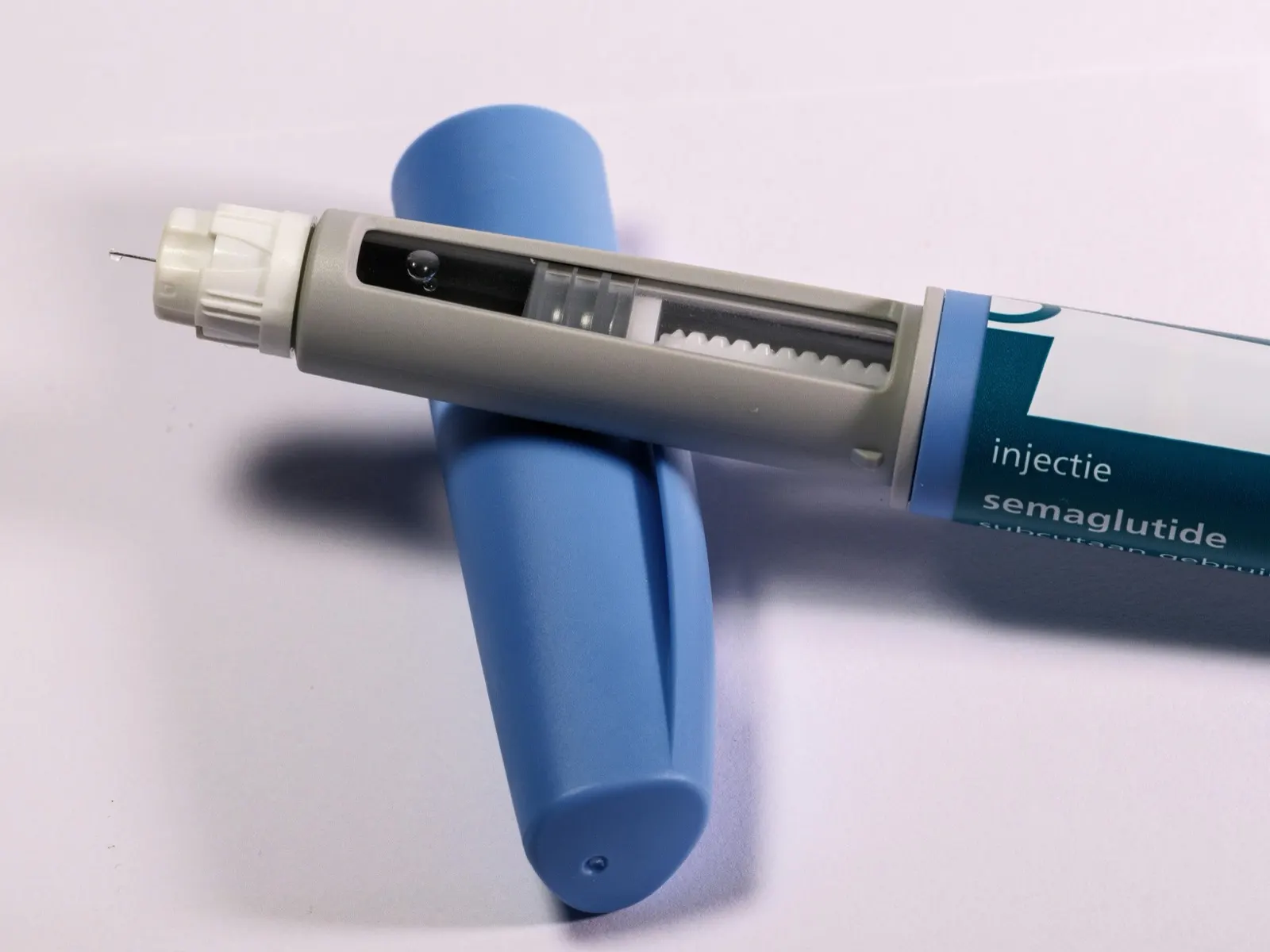
You've probably seen the headlines, the before-and-after photos, maybe even a friend who's started on Ozempic or Mounjaro. And now you're wondering: could this work for me? It's a fair question, and one I hear in almost every consultation these days.
GLP-1 medications (that includes brand names like Ozempic, Wegovy, Mounjaro, and Zepbound) work by mimicking a hormone your body already makes. They slow down how quickly your stomach empties, reduce appetite, and help your brain register fullness sooner. For many people, it's like someone finally turned down the volume on constant food thoughts. But they're not for everyone, and knowing whether you're a good candidate matters more than most people realize.
Who's Typically a Good Fit?
Doctors generally prescribe GLP-1 medications based on two main criteria. The first is a BMI of 30 or above, which is classified as obesity. In practical terms, for someone who is 170 cm tall, that's roughly 87 kg or more. The second is a BMI of 27 or above (classified as overweight) combined with at least one weight-related health condition, such as type 2 diabetes, high blood pressure, high cholesterol, or obstructive sleep apnea.
If you've been trying to lose weight through diet and exercise alone and it hasn't been enough, these medications can provide genuine support. Research from the large-scale STEP and SURMOUNT clinical trials showed average weight loss of 15 to 22 percent over about a year and a half. That's significant, and for many of my clients, it's been enough to improve blood sugar, reduce joint pain, and feel more like themselves again.
Who Should Probably Wait (or Look Elsewhere)?
I'm always honest with my clients: GLP-1 therapy isn't the right starting point for everyone. If you have a personal or family history of medullary thyroid cancer or a condition called MEN2 (multiple endocrine neoplasia type 2), these medications are not recommended. The same goes if you've had pancreatitis, as GLP-1s can potentially trigger inflammation in the pancreas.
Pregnancy is another clear pause. If you're pregnant, planning to become pregnant, or breastfeeding, GLP-1s should be stopped. And if you have a history of an eating disorder, the appetite suppression from these drugs can complicate recovery in ways that need very careful monitoring.
There's also the "I just want to lose five kilos for summer" crowd. If your weight is in a healthy range and you don't have related health conditions, the risk-benefit equation simply doesn't add up. These are prescription medications with real side effects (nausea, especially early on), and they deserve to be used where they're genuinely needed.
Why the Medication Alone Won't Get You There
Here's the part I care most about as a dietitian: GLP-1 therapy works best when it's paired with real nutrition and lifestyle changes. The medication reduces your appetite, which is powerful. But when you're eating less, what you do eat becomes critical.
Without enough protein, your body doesn't just lose fat. It loses muscle too. Studies show that up to 40 percent of the weight lost on GLP-1 medications can come from lean mass if nutrition isn't optimized. That's a problem, because muscle is what keeps your metabolism running, your bones strong, and your energy steady.
I work with my clients to make sure they're getting enough protein (typically over 1.2 grams per kilogram of body weight per day), spread across meals, combined with resistance training. It's not complicated, but it does require attention. Think of proper nutrition as an insurance policy for your muscles while the medication does its job on the fat side.
- For more on building a nutrition plan on GLP-1 therapy, check out my detailed guide.
The Bottom Line
GLP-1 medications are a genuinely effective tool for people who meet the criteria and are ready to pair them with the right nutrition support. They're not a shortcut, and they're not for everyone. But for the right person, they can make a meaningful difference.
If you're wondering whether you're a good candidate, the best next step is a conversation, not a Google search. I help my clients figure out whether GLP-1 therapy fits their situation and, if it does, how to get the most out of it with personalized nutrition coaching.
Work with a registered dietitian
Ready to make a lasting change?
Get personalized guidance from a registered dietitian who understands the struggle.
Book a Free Consultation (opens in new tab)Free 15-minute video call · No pressure, no obligation.
Sources
- 1. Wilding JPH, Batterham RL, Calanna S, et al. Once-weekly semaglutide in adults with overweight or obesity. N Engl J Med. 2021;384(11):989-1002.
- 2. Jastreboff AM, Aronne LJ, Ahmad NN, et al. Tirzepatide once weekly for the treatment of obesity. N Engl J Med. 2022;387(3):205-216.
- 3. Grunvald E, Shah R, Hernaez R, et al. AGA clinical practice guideline on pharmacological interventions for adults with obesity. Gastroenterology. 2022;163(5):1198-1225.
- 4. Neeland IJ, Linge J, Birkenfeld AL. Changes in lean body mass with glucagon-like peptide-1-based therapies and mitigation strategies. Diabetes Obes Metab. 2024;26(Suppl 4):16-27.
Related articles

PMS Cravings: Why You Crave Sugar and Carbs Before Your Period
Craving chocolate, bread, or sweets right before your period isn't a willpower problem, it's hormonal. A registered dietitian explains why PMS cravings happen and how to manage them.
Read more
A Practical Guide to Eating More Fiber Every Day
Skip the theory. Here's exactly what to eat, in what amounts, to close the fiber gap, including a sample day that hits your target and how to get there without bloating.
Read more
How to Lose Fat Without Losing Muscle
Most diets strip away fat and muscle at the same time. A registered dietitian explains how to lose fat while holding on to the muscle you have, using protein, resistance training, a moderate deficit, and enough sleep.
Read more