How to Improve Your Hormone Balance with the Right Diet

We have all seen social media videos promising to "balance your hormones" with a specific smoothie or an expensive supplement. As a registered dietitian, I understand how easy it is to get confused. The term hormone balance is often used loosely, but behind the buzzwords lies an important truth: what you eat actually affects how your hormones signal to the body.
Do you recognize yourself in afternoon energy dips, a growing waistline despite "eating healthy", or dramatic mood swings? These are often signs that hormones like insulin, cortisol, or sex hormones are not quite in sync.
Here we go through three common hormonal "culprits" and how you can create a calmer, stronger body with simple, evidence-based dietary changes.
1. Insulin: The Key to Stable Energy
Insulin is the hormone that regulates your blood sugar. If we frequently eat fast carbohydrates without "protection" (fiber, fat, or protein), we get large insulin spikes. Over time this can lead to insulin resistance, which is strongly linked to PCOS, obesity, and difficulty losing weight.
The fix: "Dress" your carbohydrates. Never eat carbs "naked". If you eat an apple (carbohydrate), have a few nuts alongside (fat/protein). This lowers the glycemic index (GI) and produces a flatter blood sugar curve.
- Swap cereal and milk for a fiber-rich breakfast (for example oatmeal with nuts, seeds, and berries) for better insulin sensitivity.
2. Cortisol: When the Body Is Stressed
Many of my clients lead stressful lives. But did you know that even how you eat can stress the body? Skipping meals or extreme dieting can raise levels of the stress hormone cortisol. Research shows that skipping breakfast in particular can lead to elevated cortisol later in the day.
The fix: Eat regularly and prioritize omega-3. Omega-3 fatty acids have been shown to modulate the body's stress response.
- Try to include fatty fish (salmon, mackerel) or plant-based alternatives (walnuts, flaxseed oil) in your week.
- Starting the day with a stable breakfast signals safety to the body and can lower stress levels.
3. Gut Flora and Estrogen
Your gut is smarter than you think. The gut microbiome plays a key role in regulating estrogen levels in the body through what is called the estrobolome. A low-fiber diet (the typical Western diet) can disrupt this balance and contribute to hormonal issues, while a plant-rich diet supports it.
- Aim for 30 different plant foods per week. Diversity in food gives diversity in the gut.
- Simple swap: Buy a bag of frozen mixed vegetables instead of just peas. Throw some beans into your bolognese. Every new color and variety counts.
Do You Need Help Finding Your Balance?
Reading about nutrition is one thing, but making it work in a stressful everyday life is another. I know it can feel overwhelming to do it all on your own.
As a registered dietitian and nutritionist with over 7 years of experience in hormonal balance, I help you create a personalized plan that actually works, adapted to your body, your hormones, and your lifestyle. We can start your health journey today with online coaching.
- Book a free 15-minute call with me and let's see how we can optimize your health together.
Work with a registered dietitian
Ready to make a lasting change?
Get personalized guidance from a registered dietitian who understands the struggle.
Book a Free Consultation (opens in new tab)Free 15-minute video call · No pressure, no obligation.
Sources
- 1. Pano Espinola O, Tobias DK, Manson JE. The role of lifestyle interventions for the prevention and treatment of type 2 diabetes: a narrative review. Am J Lifestyle Med. 2025.
- 2. Zhang L, Jin Y, Yang A, et al. Optimizing carbohydrate quality: a path to better health for women with PCOS. Front Nutr. 2025;12:1578459.
- 3. Paragliola RM, et al. Feeding the Rhythm: Effects of food and nutrients on daily cortisol secretion. Int J Mol Sci. 2025;26(22):11230.
- 4. Cleveland Clinic. Insulin resistance diet: foods to eat and avoid. 2025.
- 5. Cross T-WL, Simpson AMR, Lin C-Y, et al. Gut microbiome responds to alteration in female sex hormone status and exacerbates metabolic dysfunction. Gut Microbes. 2024;16(1):2295429.
Related articles

PMS Cravings: Why You Crave Sugar and Carbs Before Your Period
Craving chocolate, bread, or sweets right before your period isn't a willpower problem, it's hormonal. A registered dietitian explains why PMS cravings happen and how to manage them.
Read more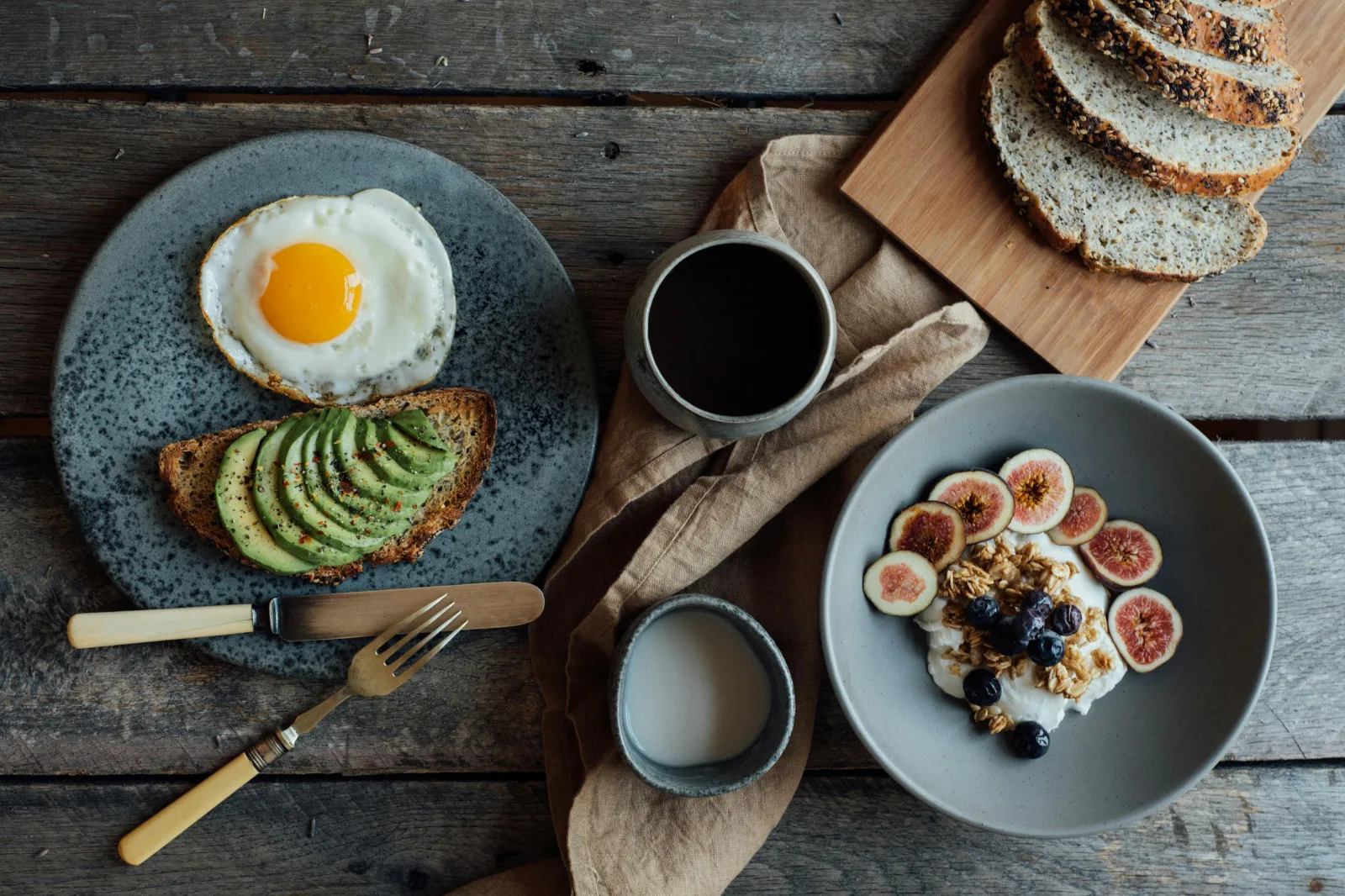
A Practical Guide to Eating More Fiber Every Day
Skip the theory. Here's exactly what to eat, in what amounts, to close the fiber gap, including a sample day that hits your target and how to get there without bloating.
Read more
How to Lose Fat Without Losing Muscle
Most diets strip away fat and muscle at the same time. A registered dietitian explains how to lose fat while holding on to the muscle you have, using protein, resistance training, a moderate deficit, and enough sleep.
Read more