PMS Cravings: Why You Crave Sugar and Carbs Before Your Period
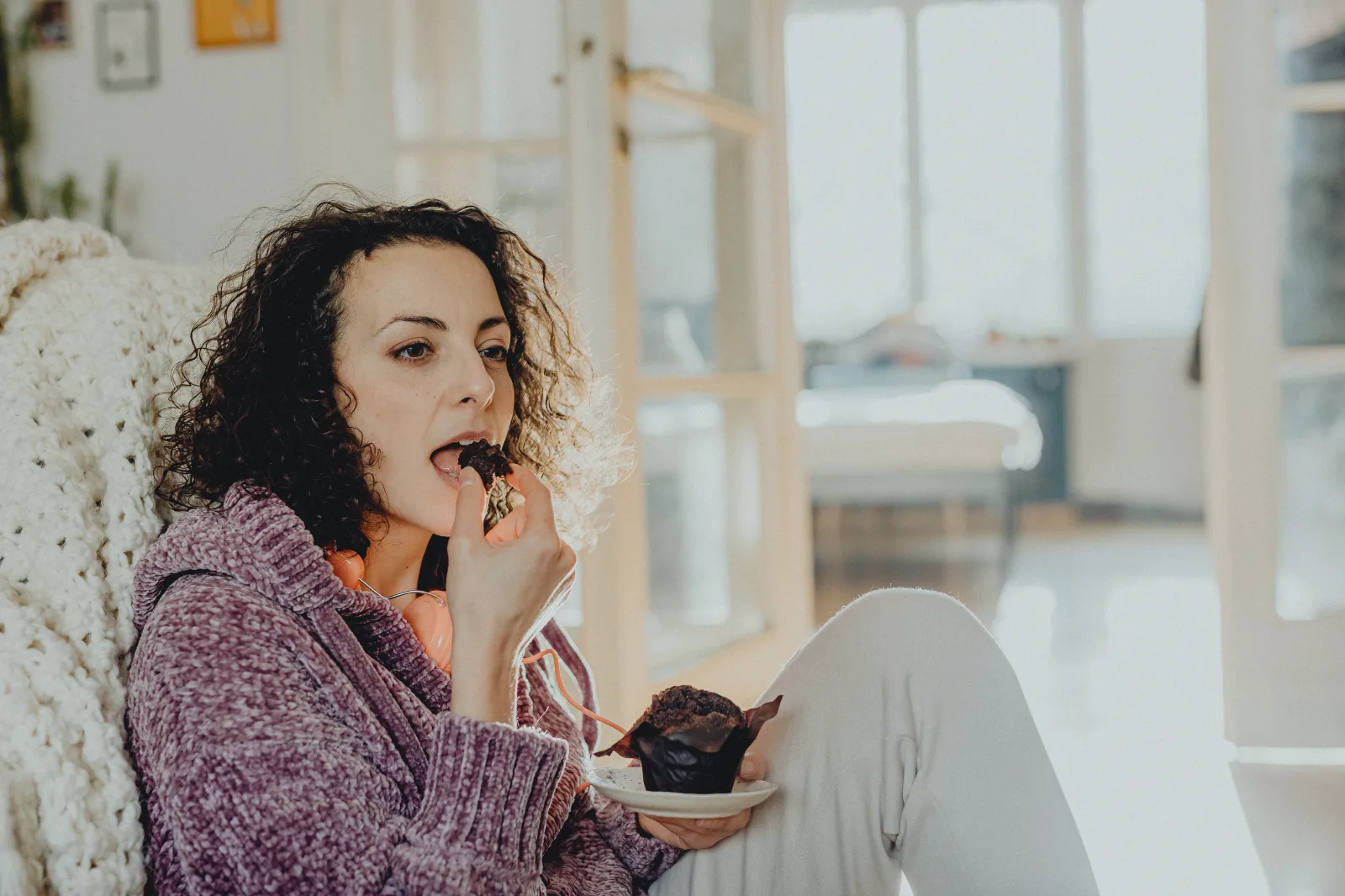
PMS cravings are the intense urges for sugar, chocolate, or refined carbohydrates that many women notice in the days before their period. They're driven by real hormonal shifts, not a lack of self-control.
As a registered dietitian, I hear a version of the same question almost every month: "Why can I control my eating all cycle, then completely lose it the week before my period?" The short answer is that your hormones, appetite, and mood are all shifting at once, and understanding why makes it much easier to work with your body instead of fighting it.
What Causes PMS Cravings?
In the days after ovulation, your body enters the luteal phase, the second half of your menstrual cycle. Progesterone rises and then falls sharply in the final days before your period, while estrogen also drops. Research shows this decline in progesterone is linked to stronger food cravings; women with lower mid-luteal progesterone report significantly more intense premenstrual cravings than women whose progesterone stays higher.
It isn't only about hormones pulling at your mood. Research shows total energy intake genuinely rises in the luteal phase compared to earlier in the cycle, meaning your body is asking for more fuel, not less. This is one reason PMS cravings can feel so much stronger than ordinary willpower can handle, because part of it is a real, measurable rise in appetite.
- Progesterone and estrogen both drop in the days before your period, and lower progesterone is linked to stronger cravings
- Your appetite genuinely increases in the luteal phase, so you may need more food, not less
- Blood sugar swings become more noticeable in this phase, which can intensify hunger between meals
Why Sugar and Carbs Specifically?
Falling estrogen in the late luteal phase is linked to reduced serotonin activity in the brain, the neurotransmitter responsible for feeling calm and stable; research on PMS points to serotonin, rather than any single hormone level on its own, as a key driver of premenstrual symptoms. Carbohydrates raise the availability of tryptophan, the building block your brain uses to make serotonin, so eating something sweet or starchy genuinely does lift your mood for a while. This is a well-documented mechanism, not just a coincidence.
That's why a salad rarely satisfies a PMS craving the way a piece of chocolate does. Your brain isn't asking for willpower, it's asking for a specific biochemical response. Understanding that can take a lot of the guilt out of the craving itself.
How to Manage PMS Cravings
You can't turn off the hormonal shifts of the luteal phase, but you can change how your body experiences them. The goal isn't to white-knuckle through the week before your period; it's to give your body steadier blood sugar and the nutrients it's specifically asking for.
Anchor each meal around protein and fiber. Protein and fiber slow the release of sugar into your bloodstream, which reduces the sharp blood sugar dips that intensify cravings. Aim for a palm-sized portion of protein and a source of fiber (vegetables, legumes, or whole grains) at breakfast and lunch, especially in the week before your period.
Prioritize magnesium-rich foods. Magnesium is one of the most-studied nutrients for PMS, though the evidence is still mixed: a 2025 systematic review of randomized trials found the evidence for magnesium's effect on PMS's psychological symptoms specifically is currently limited, while individual trials have found a reduction in overall symptom severity, particularly when combined with vitamin B6. It's still worth prioritizing through food, given magnesium's broader role in sleep, muscle function, and blood sugar regulation. Good food sources include pumpkin seeds, almonds, leafy greens, black beans, and dark chocolate (70% or higher).
Don't restrict in the days before your period. Trying to eat "perfectly" during the week your body is asking for more energy usually backfires into an all-or-nothing binge. Plan for a small, satisfying portion of the food you're craving alongside a balanced meal, rather than fighting the craving until it wins anyway.
- Swap a plain sugary snack for dark chocolate (70%+) with a handful of almonds
- Add a source of protein to your usual mid-afternoon snack, like Greek yogurt or hummus with vegetables
- Keep a bottle of water visible and drink a full glass before deciding whether a craving is really hunger
- Prioritize sleep in the luteal phase; poor sleep amplifies both hunger hormones and cravings
PMS cravings are a real, hormonally-driven response, not a personal failing. Working with your cycle instead of against it, through steady blood sugar, enough protein, and key nutrients like magnesium, makes the week before your period feel far more manageable.
If your cravings feel disruptive every month, or if you'd like a nutrition plan built around your specific cycle and symptoms, I can help. As a registered dietitian, I work with clients to build a personalized nutrition plan that accounts for hormonal shifts like these, rather than generic advice that ignores them. You can also read more about eating for hormone balance for a broader look at cycle-supportive nutrition.
Book a free 15-minute consultation and let's talk about what's happening in your specific cycle.
Frequently asked questions
Work with a registered dietitian
Ready to make a lasting change?
Get personalized guidance from a registered dietitian who understands the struggle.
Book a Free Consultation (opens in new tab)Free 15-minute video call · No pressure, no obligation.
Sources
- 1. Hamidovic A, Soumare F, Naveed A, Davis J. Mid-luteal progesterone is inversely associated with premenstrual food cravings. Nutrients. 2023;15(5):1097.
- 2. Rapkin AJ, Akopians AL. Pathophysiology of premenstrual syndrome and premenstrual dysphoric disorder. Menopause Int. 2012;18(2):52-59.
- 3. Wurtman JJ. Carbohydrate craving. Relationship between carbohydrate intake and disorders of mood. Drugs. 1990;39 Suppl 3:49-52.
- 4. Tucker JAL, McCarthy SF, Bornath DPD, Khoja JS, Hazell TJ. The effect of the menstrual cycle on energy intake: a systematic review and meta-analysis. Nutr Rev. 2024;83(3):e866-e876.
- 5. Robinson J, Ferreira A, Iacovou M, Kellow NJ. Effect of nutritional interventions on the psychological symptoms of premenstrual syndrome in women of reproductive age: a systematic review of randomized controlled trials. Nutr Rev. 2025;83(2):280-306.
Related articles
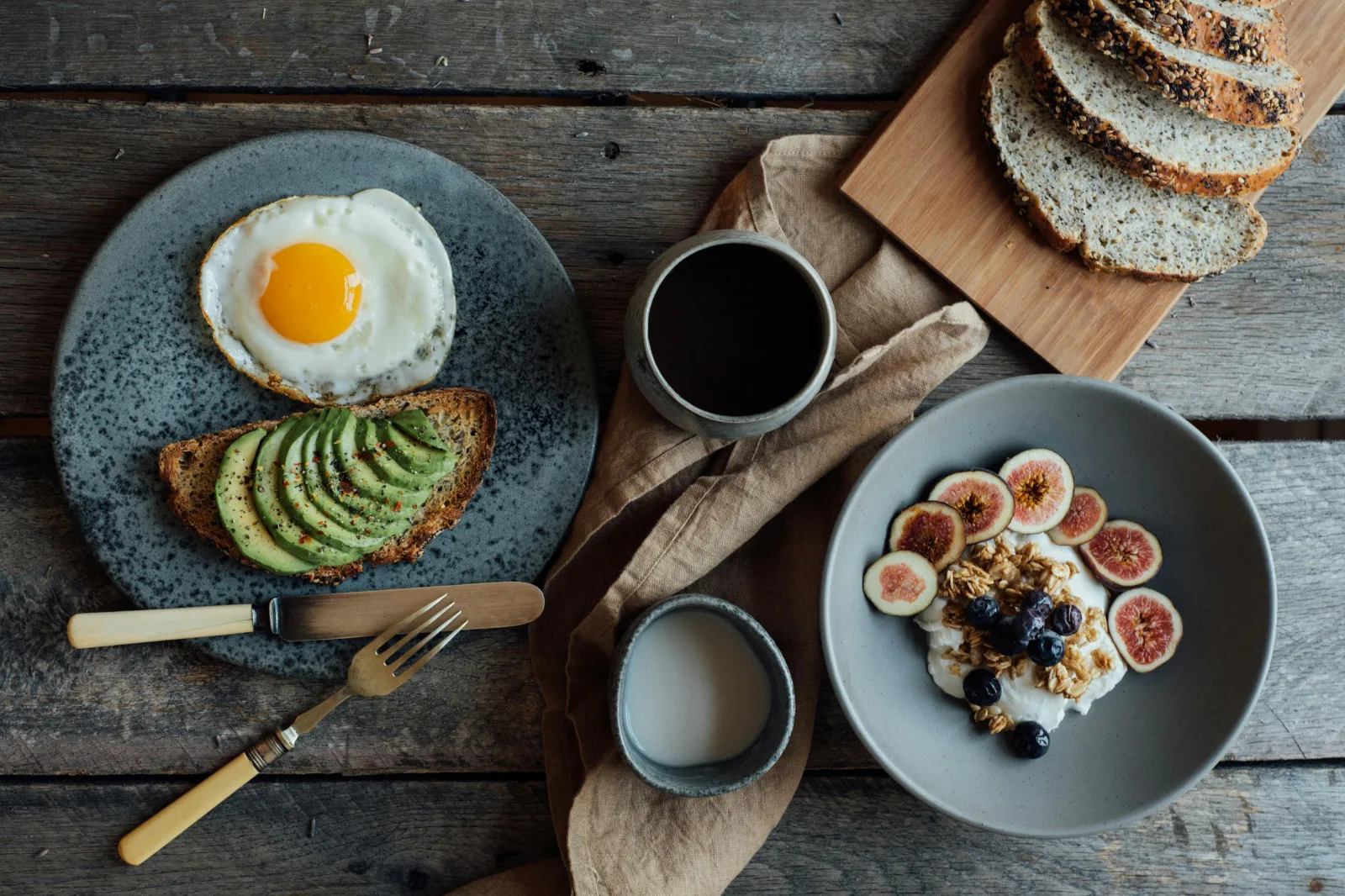
A Practical Guide to Eating More Fiber Every Day
Skip the theory. Here's exactly what to eat, in what amounts, to close the fiber gap, including a sample day that hits your target and how to get there without bloating.
Read more
How to Lose Fat Without Losing Muscle
Most diets strip away fat and muscle at the same time. A registered dietitian explains how to lose fat while holding on to the muscle you have, using protein, resistance training, a moderate deficit, and enough sleep.
Read more
Does Diet Really Affect Fertility?
Can what you eat actually improve your chances of conceiving? A registered dietitian separates the evidence from the hype, covering ovulation, insulin, sperm quality, and when food is not the answer.
Read more