Weight Regain After Stopping Ozempic/Wegovy/Mounjaro: How to Prevent It
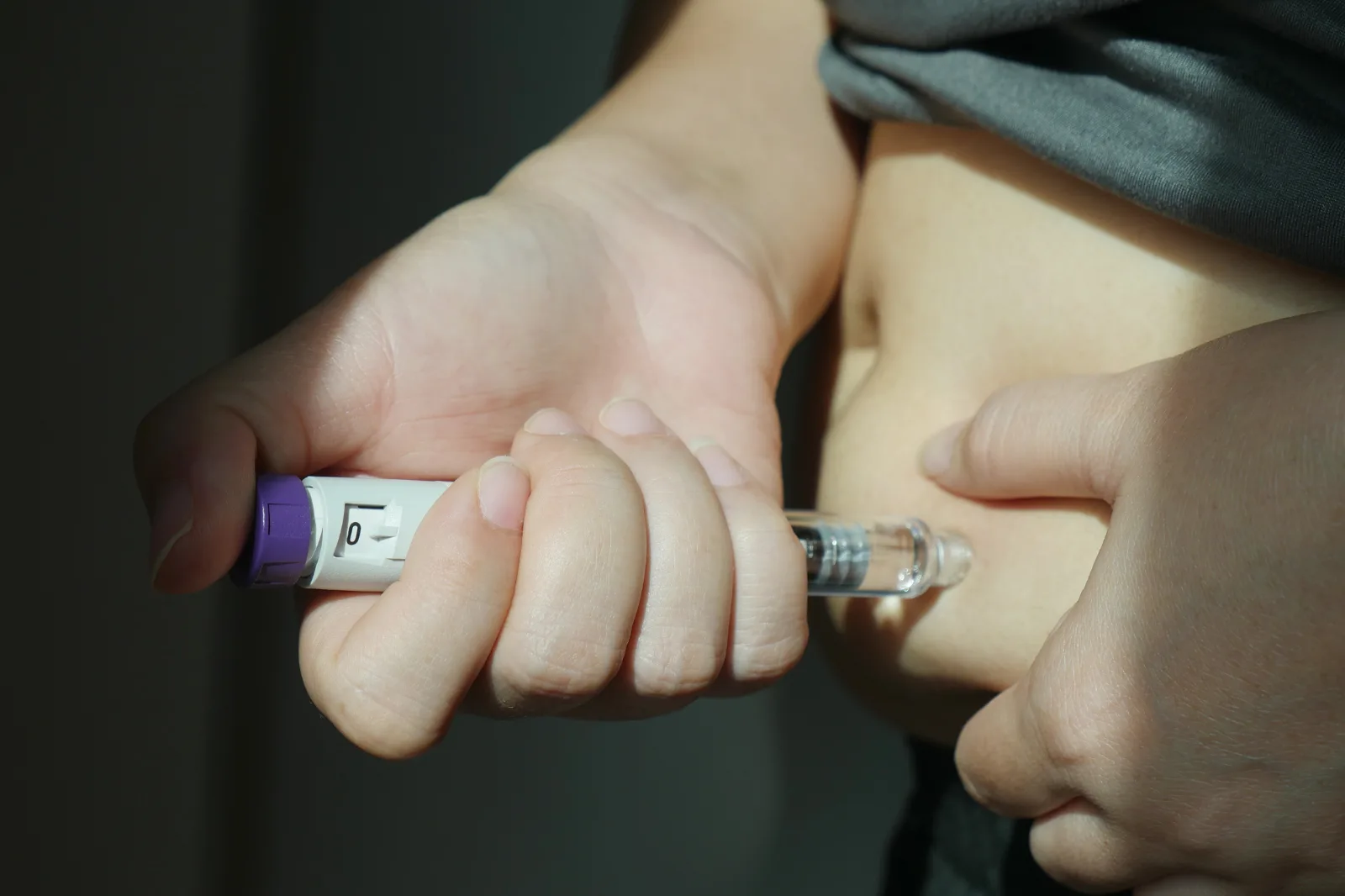
Weight regain after stopping GLP-1 and GIP medications like semaglutide (Ozempic, Wegovy) and tirzepatide (Mounjaro, Zepbound) is common, expected, and not a personal failure. These medications lower appetite, quiet "food noise", and make a calorie deficit easier to sustain. When you stop, those effects fade and the body tends to push weight back toward its previous set point.
I'm Zahra Ataei, a registered dietitian (legitimerad dietist), and I help clients hold on to their results after treatment. The good news: you can reduce regain risk substantially with the right strategy, above all by protecting muscle, keeping protein high, and maintaining structure.
Here is my evidence-based plan for staying in control once the medication stops.
Why weight regain happens after stopping GLP-1s
In the STEP 1 trial extension, people who stopped semaglutide regained about two-thirds of their lost weight within a year, and most of the cardiometabolic improvements reversed too. Tirzepatide shows the same pattern: in the SURMOUNT-4 trial, people switched to placebo regained weight while those who continued kept it off. This is biology, not weakness.
Three things tend to happen at once:
- Appetite and cravings return. Hunger signaling ramps back up, food noise comes back, and the same intake that drove weight gain before can slowly creep in.
- Metabolic adaptation pulls you toward regain. After weight loss, appetite hormones stay elevated and energy expenditure runs lower than expected for your new size, a drive that can persist for a year or more.
- Lost muscle makes it worse. If weight came off fast without enough protein and strength training, some of it was lean mass, which lowers resting metabolism and makes maintenance harder.
The #1 goal: keep the behaviors the medication made easier
Think of the medication as a tool that supported a structure: smaller portions, fewer snacks, fewer cravings. When the tool is removed, that structure has to stay, or be replaced by habits that do the same job. Everything below is about building that structure deliberately.
1. Keep protein high (non-negotiable)
Protein is the single most important lever for satiety and for holding on to muscle during and after weight loss. International nutrition guidance for people on GLP-1 therapy specifically emphasises higher protein intake to protect lean mass.
- Aim for 25–35 g protein per meal, three meals a day, or roughly 1.6 g per kg of goal body weight per day.
- Build each plate around a "protein anchor" first: eggs, Greek yogurt, fish, chicken, tofu or tempeh, cottage cheese, or legumes.
- Start the day with protein; breakfast is usually the weakest meal.
- Need help getting this right? See my guide to what to eat on Wegovy and Mounjaro.
2. Strength training 2–4x per week
If you do only one thing for maintenance, make it resistance training. It preserves and rebuilds the muscle that protects your metabolism, and it improves blood-sugar control and appetite regulation, all of which expert GLP-1 supportive-care recommendations highlight.
- Minimum effective dose: two full-body sessions a week.
- Cover the basics: a squat or lunge, a hinge (deadlift/RDL), a push, a pull, and a carry or core movement.
- Progress gradually (more reps, weight, or sets over time) so the stimulus keeps working.
3. Build volume with fiber
Fiber fills you up without the medication doing it for you, and it keeps digestion regular.
- Aim for 25–35 g fiber a day, increasing gradually.
- Vegetables at a minimum of two meals a day; add beans, lentils, berries, whole grains, and seeds.
- A simple plate: half non-starchy vegetables, a quarter protein, a quarter carbs, plus a deliberate (not accidental) serving of healthy fat.
4. Monitor for 4–8 weeks after stopping
You don't need to track forever, but a short "maintenance monitoring phase" catches regain while it's 1–2 kg, not 8–10 kg. Pick one method and keep it light:
- Weigh 2–4 times a week and watch the trend, not the daily number.
- Or track protein only, or steps plus strength sessions.
- Use a simple 0–10 hunger/fullness check before and after meals.
5. Protect movement, sleep, and your environment
When the medication stops, people often eat a little more and move a little less without noticing. A few guardrails make a big difference:
- Daily steps: aim for 8,000–12,000, plus a 10–15 minute walk after meals when you can.
- Sleep: 7–9 hours with a consistent wake time; poor sleep drives hunger and cravings.
- Environment: keep protein options ready, plan snacks instead of grazing, and reduce trigger foods at home for the first 4–8 weeks, not forever, just through the vulnerable window.
A smart step-down transition
Medication changes must be decided with your prescriber. This is educational only. As a framework, here is how I structure the first weeks off treatment:
- Weeks 1–2: lock in protein at every meal, 2–3 strength sessions a week, hit your step target, and plan meals tightly (less eating out).
- Weeks 3–8: keep fiber up, keep monitoring trend weight or waist, and add a gentle calorie structure if the trend is rising.
- After 8 weeks: loosen the structure slightly only if your weight is stable.
When to talk to your clinician
Reach out to your prescriber or doctor if:
- you regain more than 3–5% of your body weight quickly,
- appetite or cravings feel unmanageable,
- you stopped because of side effects and need alternatives, or
- you have diabetes or prediabetes and your glucose worsens.
- Sometimes lasting maintenance means a longer-term plan, including staying on the lowest effective dose, and that is individualised medical care, not failure.
Want a personalized maintenance plan?
Coming off a GLP-1 is exactly the moment where tailored support pays off, because everyone's appetite, schedule, and food culture are different.
As a registered dietitian I build a personalized coaching plan that protects your muscle, keeps you full, and fits your real life, and you can read more about my online weight-loss support too.
- Protein and meal structure that hold without the medication
- Strength and movement targets you'll actually keep
- Book a free consultation with me at AtaHealth and let's protect the results you worked for.
Regain after stopping GLP-1s is common because the medication's effect on appetite fades, but it is not inevitable. Protein, strength training, structured meals, and daily movement are what keep your results in place.
Short-term monitoring in the first 4–8 weeks stops small regain from becoming a full rebound, and any medication decision belongs with your clinician. Your job is to build the maintenance foundation that makes the results last. Book your free consultation and we'll build it together.
Frequently asked questions
Work with a registered dietitian
Ready to make a lasting change?
Get personalized guidance from a registered dietitian who understands the struggle.
Book a Free Consultation (opens in new tab)Free 15-minute video call · No pressure, no obligation.
Sources
- 1. Wilding JPH, Batterham RL, Davies M, et al. Weight regain and cardiometabolic effects after withdrawal of semaglutide: The STEP 1 trial extension. Diabetes Obes Metab. 2022;24(8):1553-1564.
- 2. Aronne LJ, Sattar N, Horn DB, et al. Continued treatment with tirzepatide for maintenance of weight reduction in adults with obesity: the SURMOUNT-4 randomized clinical trial. JAMA. 2024;331(1):38-48.
- 3. Sumithran P, Prendergast LA, Delbridge E, et al. Long-term persistence of hormonal adaptations to weight loss. N Engl J Med. 2011;365(17):1597-1604.
- 4. Mozaffarian D, Agarwal M, Aggarwal M, et al. Nutritional priorities to support GLP-1 therapy for obesity: a joint advisory from the American College of Lifestyle Medicine, the American Society for Nutrition, the Obesity Medicine Association, and The Obesity Society. Obesity (Silver Spring). 2025;33(8):1475-1503.
- 5. Sievenpiper JL, Ard J, Blüher M, et al. Nutritional and lifestyle supportive care recommendations for management of obesity with GLP-1-based therapies: an expert consensus statement using a modified Delphi approach. Obes Pillars. 2025;17:100228.
Related articles

PMS Cravings: Why You Crave Sugar and Carbs Before Your Period
Craving chocolate, bread, or sweets right before your period isn't a willpower problem, it's hormonal. A registered dietitian explains why PMS cravings happen and how to manage them.
Read more
A Practical Guide to Eating More Fiber Every Day
Skip the theory. Here's exactly what to eat, in what amounts, to close the fiber gap, including a sample day that hits your target and how to get there without bloating.
Read more
How to Lose Fat Without Losing Muscle
Most diets strip away fat and muscle at the same time. A registered dietitian explains how to lose fat while holding on to the muscle you have, using protein, resistance training, a moderate deficit, and enough sleep.
Read more